

Learning Analytics Should Show Friction, Not Vanity Metrics
Completion rates are easy to report but weak as a learning signal. Useful LMS analytics surface friction such as repeat attempts, difficult questions and content gaps that teams can act on.

Finance AI Upskilling Needs Executive Accountability
The UK Financial Services Skills Compact signals a shift in how banks will manage AI capability. When senior executives own the skills gap and firms must report progress annually, learning infrastructure becomes part of governance.
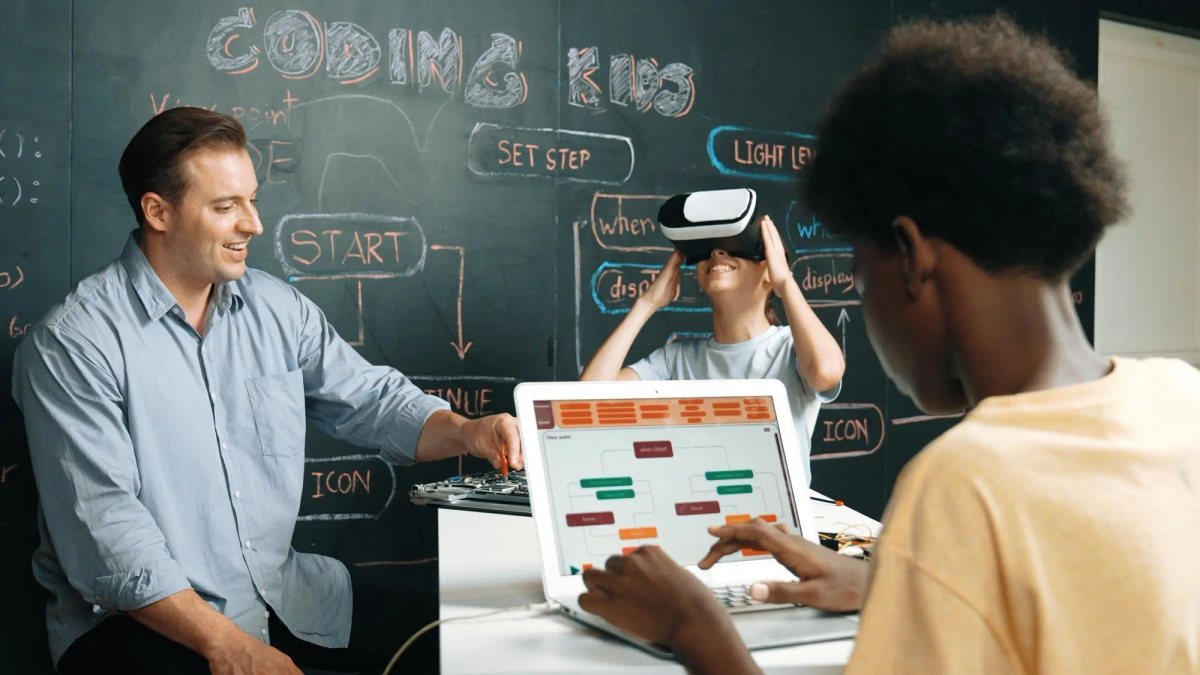
AI Champions Need a Learning System, Not a Slack Channel
Citi’s reported 80%+ adoption of its internal AI platform shows the pattern. AI champions can move workforce AI adoption, but only when they are equipped as peer educators, not left to improvise in chat.

Learning Rewards Should Be Measured Before They Are Tuned
Gamification settings often begin as sensible defaults. They become useful product decisions only when teams can see how real learners respond to limits, costs, balances, and rewards.

Accessible Learning Content Must Start in the Authoring Tool
Accessibility is often treated as a final publishing checklist. By then, the expensive decisions are already locked into templates, media, interactions and course packages.

Digital Euro Pilots Need an Education Workstream
The ECB has selected 36 PSPs for the digital euro pilot. The next challenge is not only technical connectivity but preparing product teams, support agents, merchants and pilot users to explain, support and use a new form of public digital money.

Bitcoin Education Needs a Local-to-Digital Learning Loop
Trezor Academy shows the value of Bitcoin education that is local, practical and led by people the community already trusts. The next scaling layer is digital reinforcement that turns one workshop into an ongoing learning journey.

Tokenized Settlement Go-Lives Need Operating Literacy
The Eurosystem is preparing Pontes for DLT-based wholesale settlement in central bank money. The hidden readiness gap is human: banks need teams that understand how the new rail changes daily work.